
QUALITY ASSURANCE
For the past 30 years, the guiding principle of higher vocational education in Slovenia has been the quality of education, as demonstrated by graduates through their achievements both in Slovenia and on international markets. The Slovenian Quality Assurance Agency for Higher Education (NAKVIS) is responsible for monitoring, evaluating, and ensuring the quality of higher vocational education in Slovenia.






QUALITY COMMITTEE OF THE ASSOCIATION OF HIGHER VOCATIONAL COLLEGES
The establishment and maintenance of a unified quality assurance system is an integral part of higher vocational education in Slovenia. Under the auspices of the Association of Higher Vocational Colleges, the seven-member Quality Committee successfully promotes and supports this commitment to quality.
MEMBERSHIP
The Quality Committee is chaired by MSc Gabrijela Kotnik. The other members of the Committee are:
- Dr. Branko Škafar,
- Dr. Štefan Žun,
- Marko Dotzauer,
- MSc Tjaša Vidrih,
- Sandra Šehić,
- Neja Pečovnik Fužir.
OBJECTIVES
- To promote the quality assurance system in higher vocational education.
- To facilitate the exchange of good practices in quality assurance.
- To develop and deliver additional training and training in the field of quality assurance.
- To develop a business excellence framework for higher vocational education.
- Support the development of quality assurance systems in higher vocational colleges.
EXCELLENCE AWARD
The Association of Higher Vocational Colleges Excellence Award is the highest recognition conferred by the Associationof Higher Vocational Colleges in the field of organisational excellence. It is awarded on the basis of an assessment conducted according to the Higher Vocational Colleges Excellence Model, which is designed to enhance the quality and overall performance of higher vocational colleges across all areas of their operation.
Following the Association’s call for applications, higher vocational colleges may apply by submitting a completed application. The submitted applications are evaluated by an assessment panel, which also conducts a site visit if the application receives at least 50 points in the initial assessment. The maximum possible score is 100 points. Colleges that achieve 70 points or more receive the Association of Higher Vocational Colleges Excellence Award. Colleges that achieve 50–69 points receive a Commendation for an Established Approach to Excellence based on the Higher Vocational Colleges Excellence Model. Colleges that achieve 30–49 points receive a Commendation for Participation in the Assessment Process under the Higher Vocational Colleges Excellence Model.
Recipients of the Association of Higher Vocational Colleges Excellence Award
- 2017 – Nova Gorica School Centre, Higher Vocational College
- 2018 – Academia Higher Vocational College, Maribor
- 2025 – DOBA EPIS d.o.o., Higher Vocational College
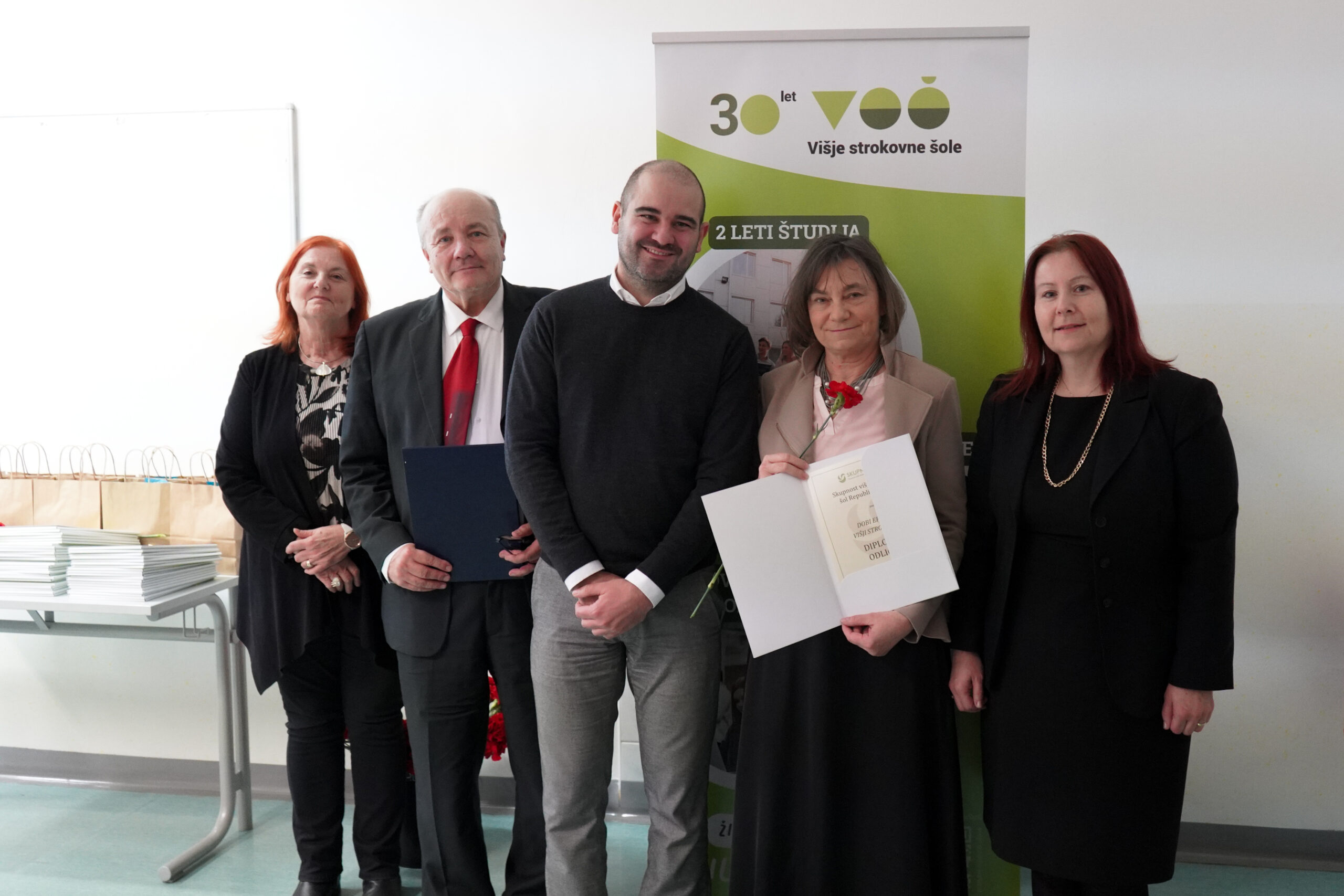
2025: DOBA EPIS d.o.o., Higher Vocational College
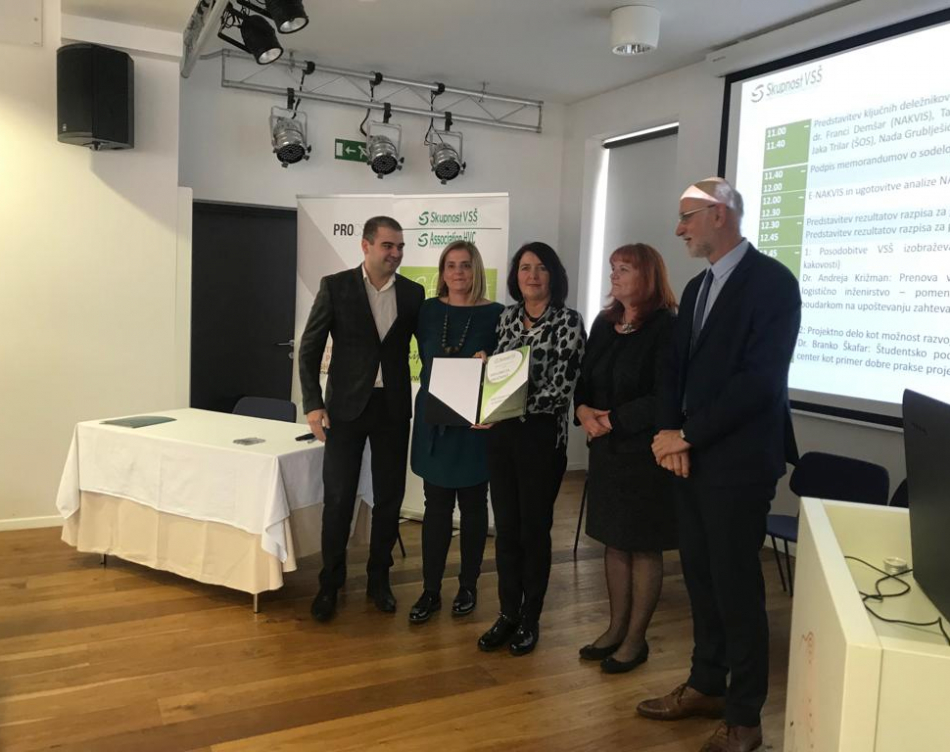
2018: Academia Higher Vocational College, Maribor
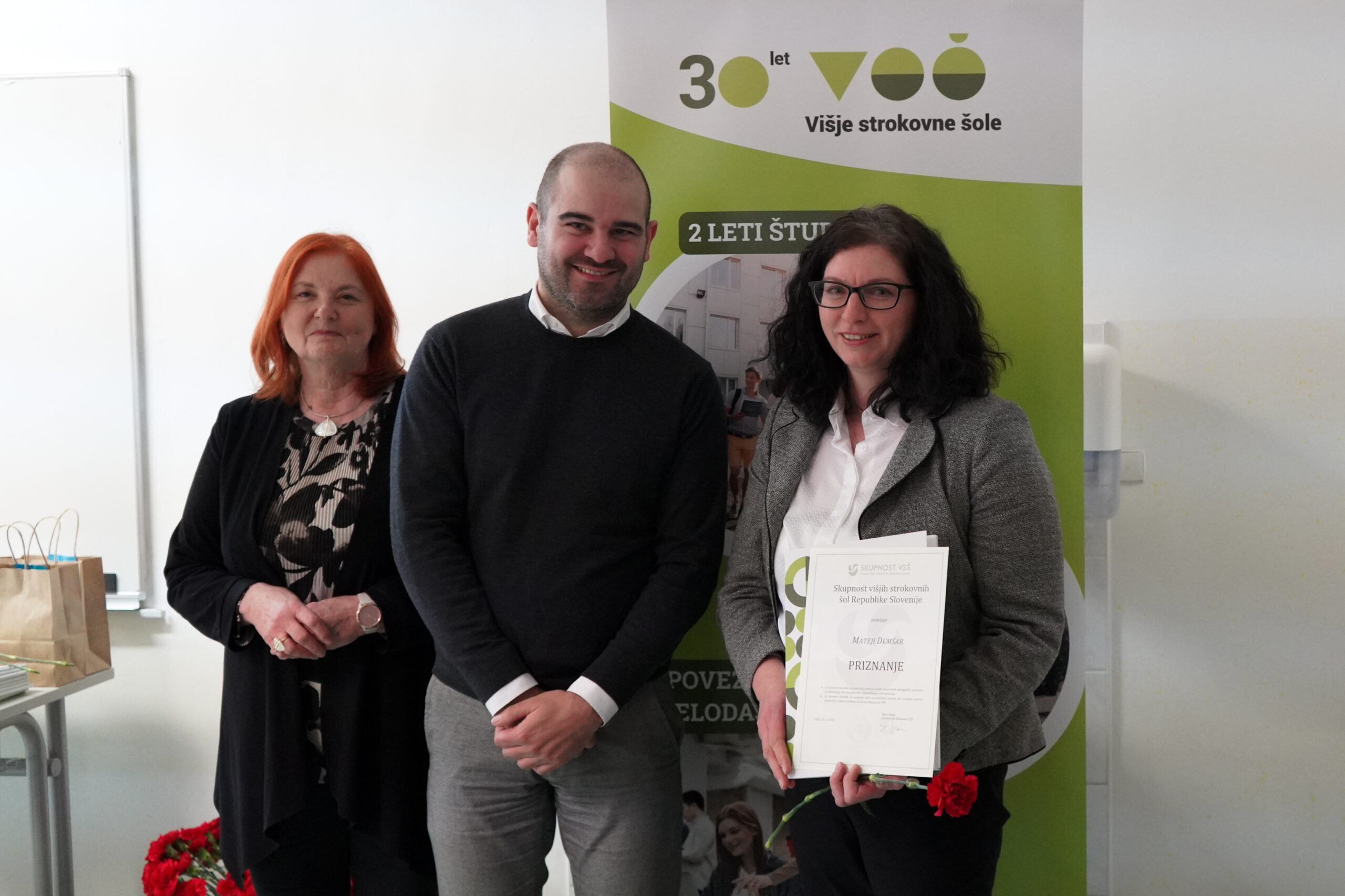
15th Conference of Quality Assurance in Higher Vocational Education 2026
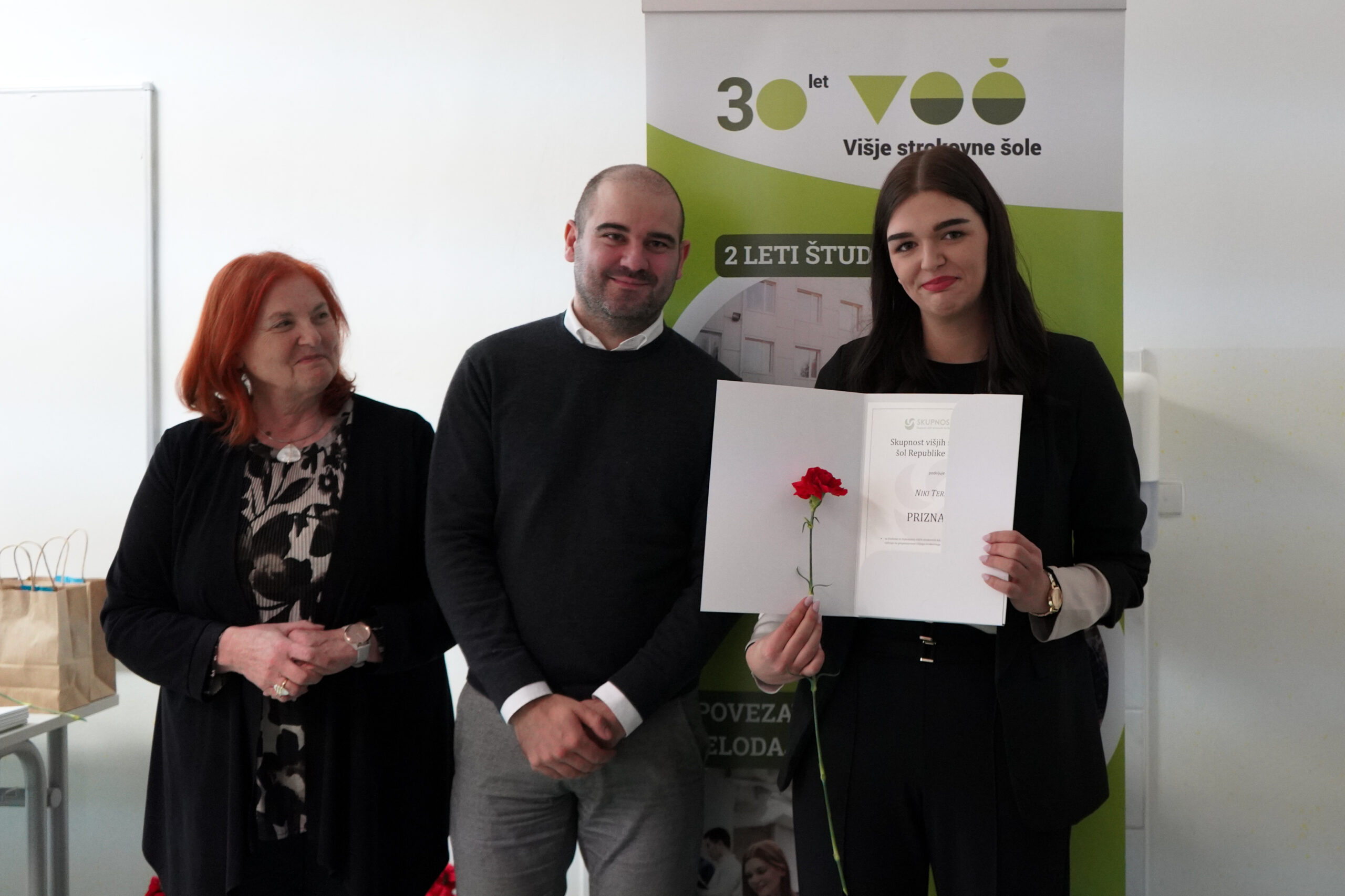
15th Conference of Quality Assurance in Higher Vocational Education 2026
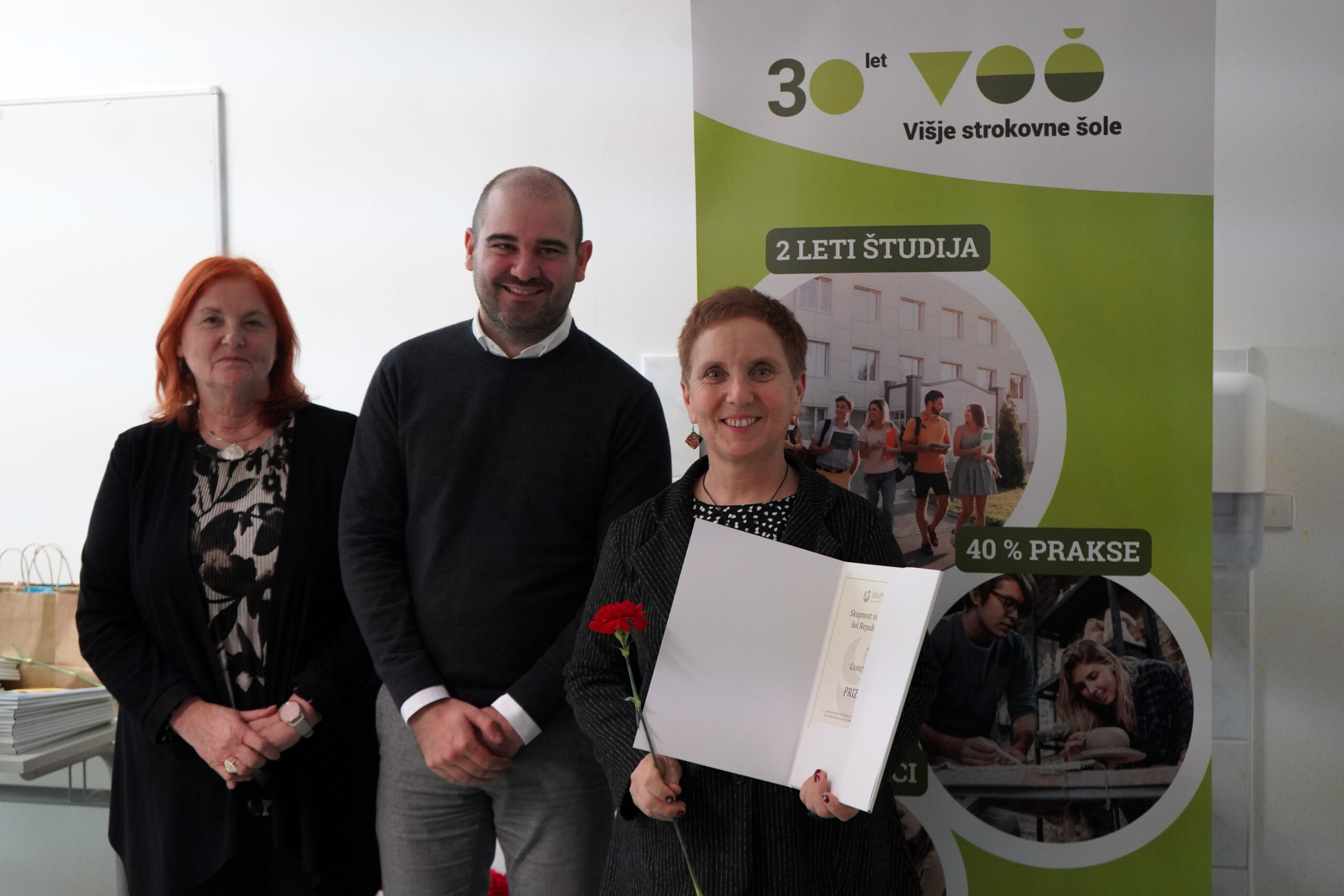
15th Conference of Quality Assurance in Higher Vocational Education 2026
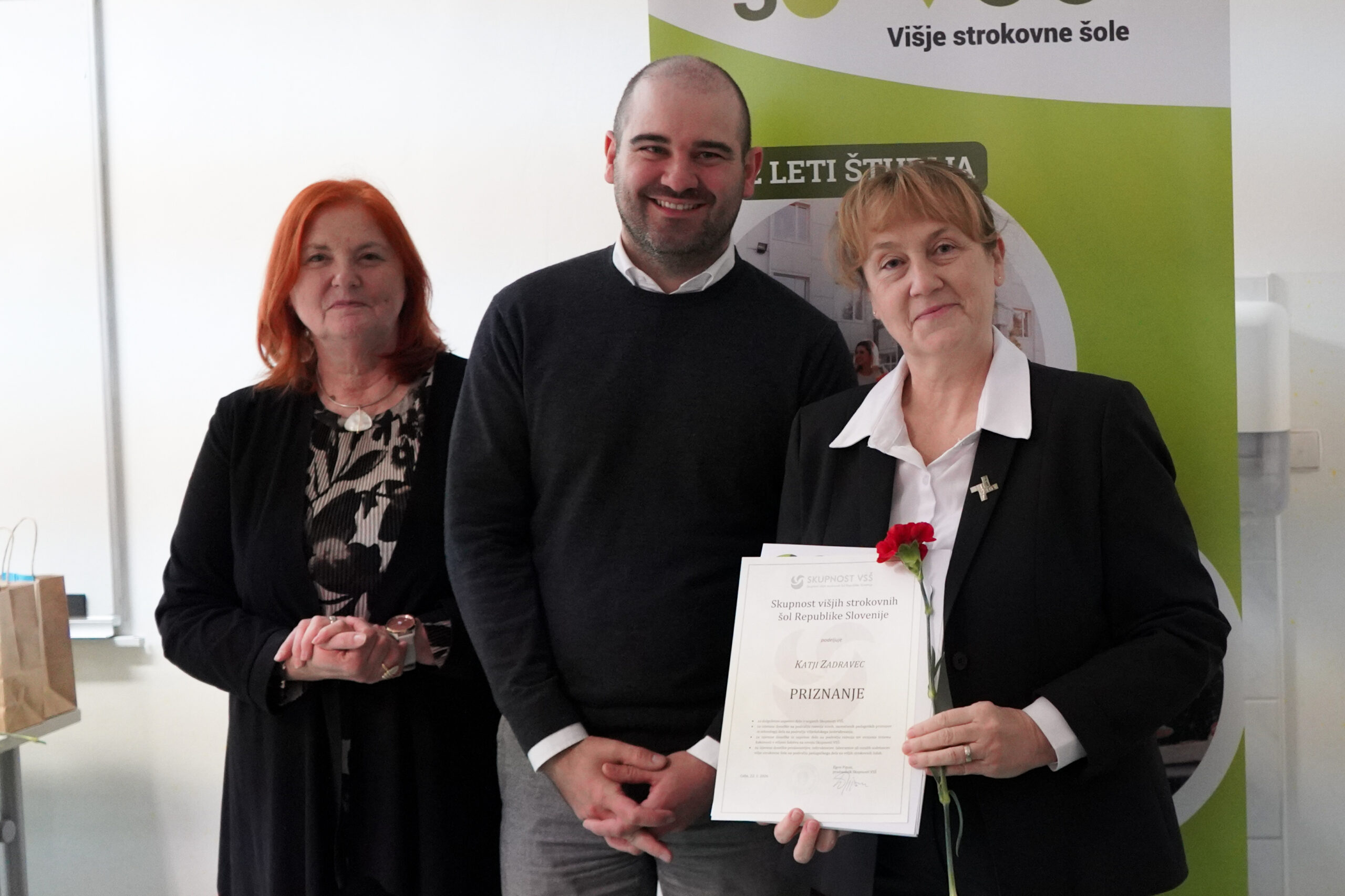
15th Conference of Quality Assurance in Higher Vocational Education 2026
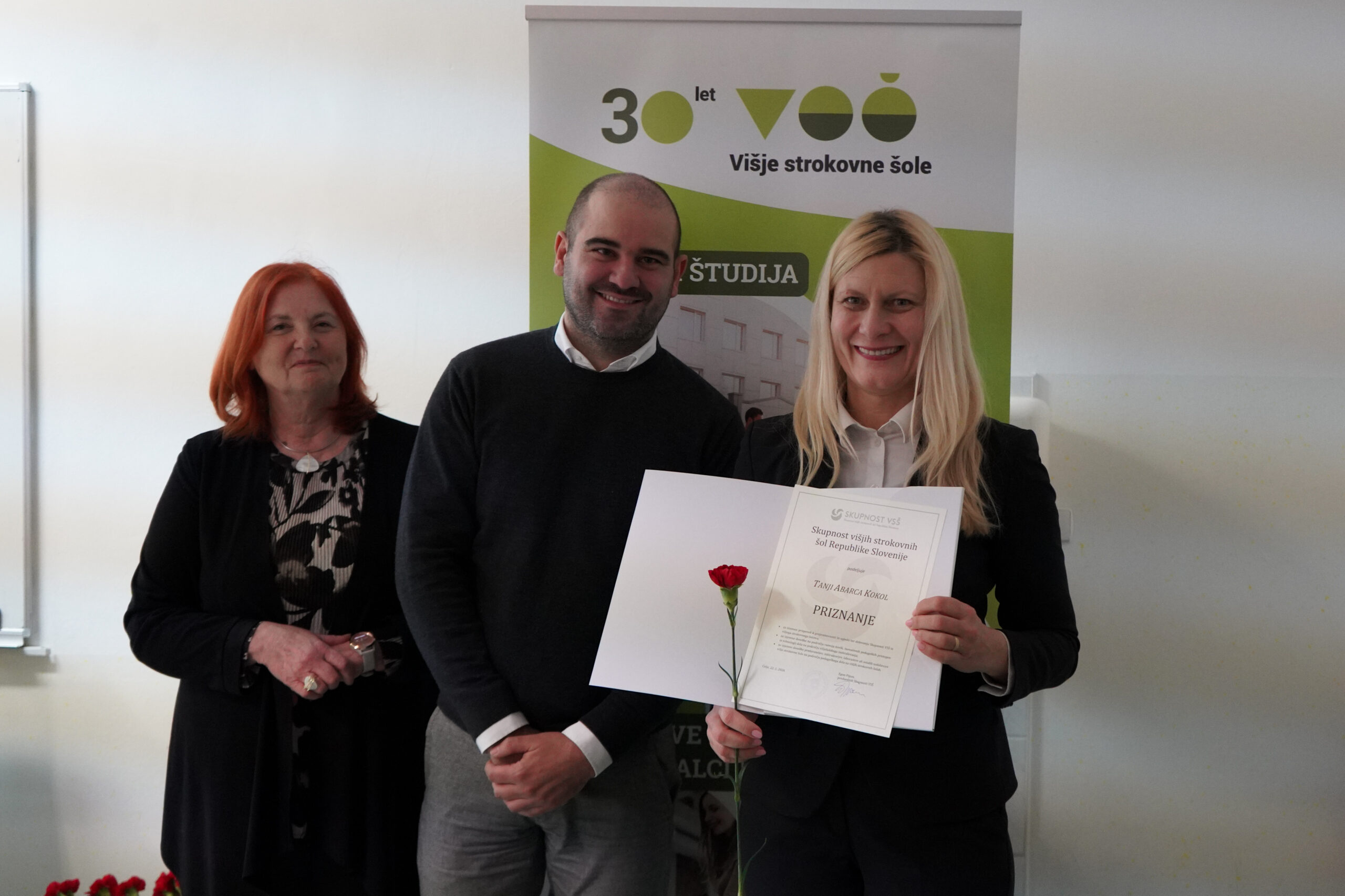
15th Conference of Quality Assurance in Higher Vocational Education 2026
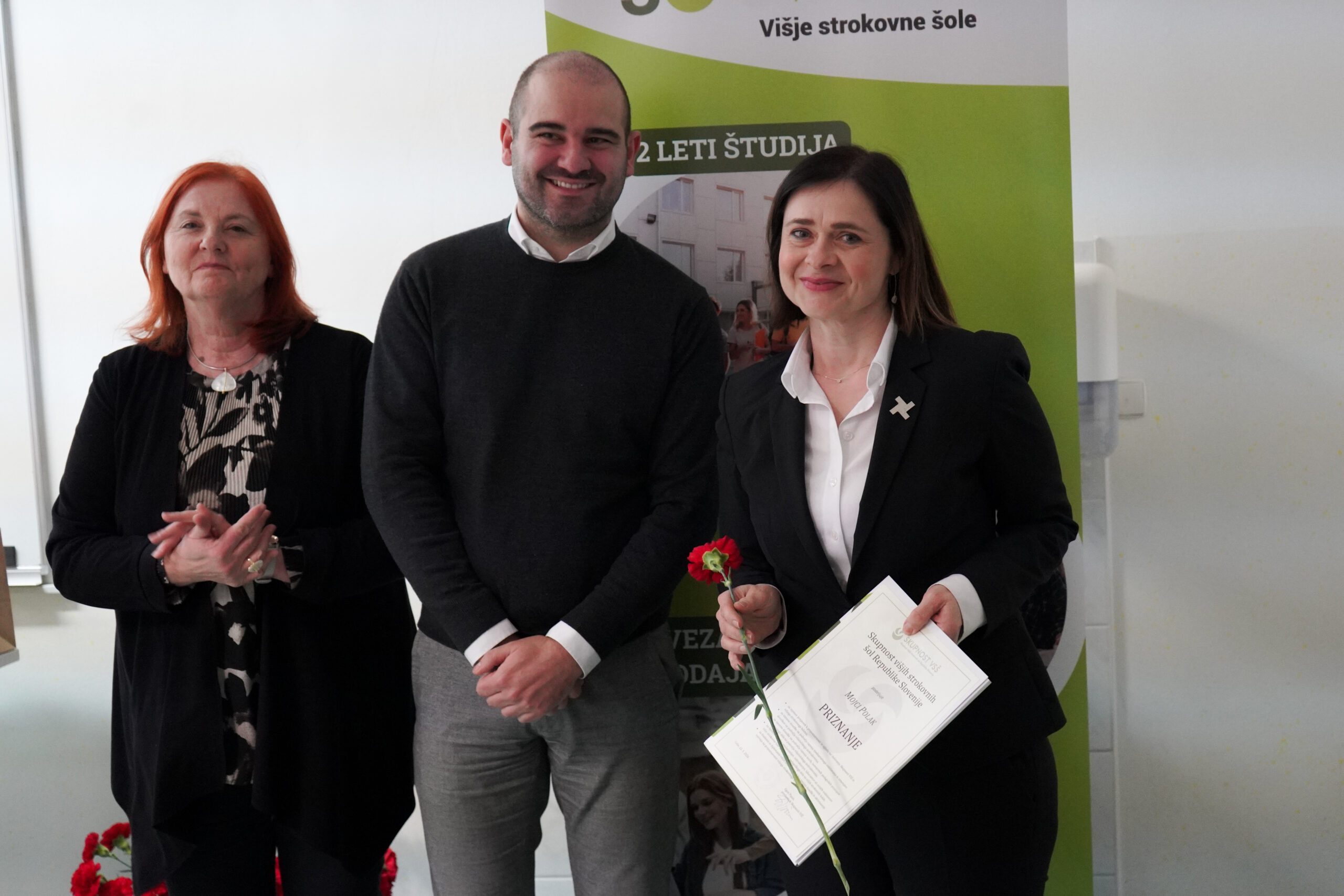
15th Conference of Quality Assurance in Higher Vocational Education 2026
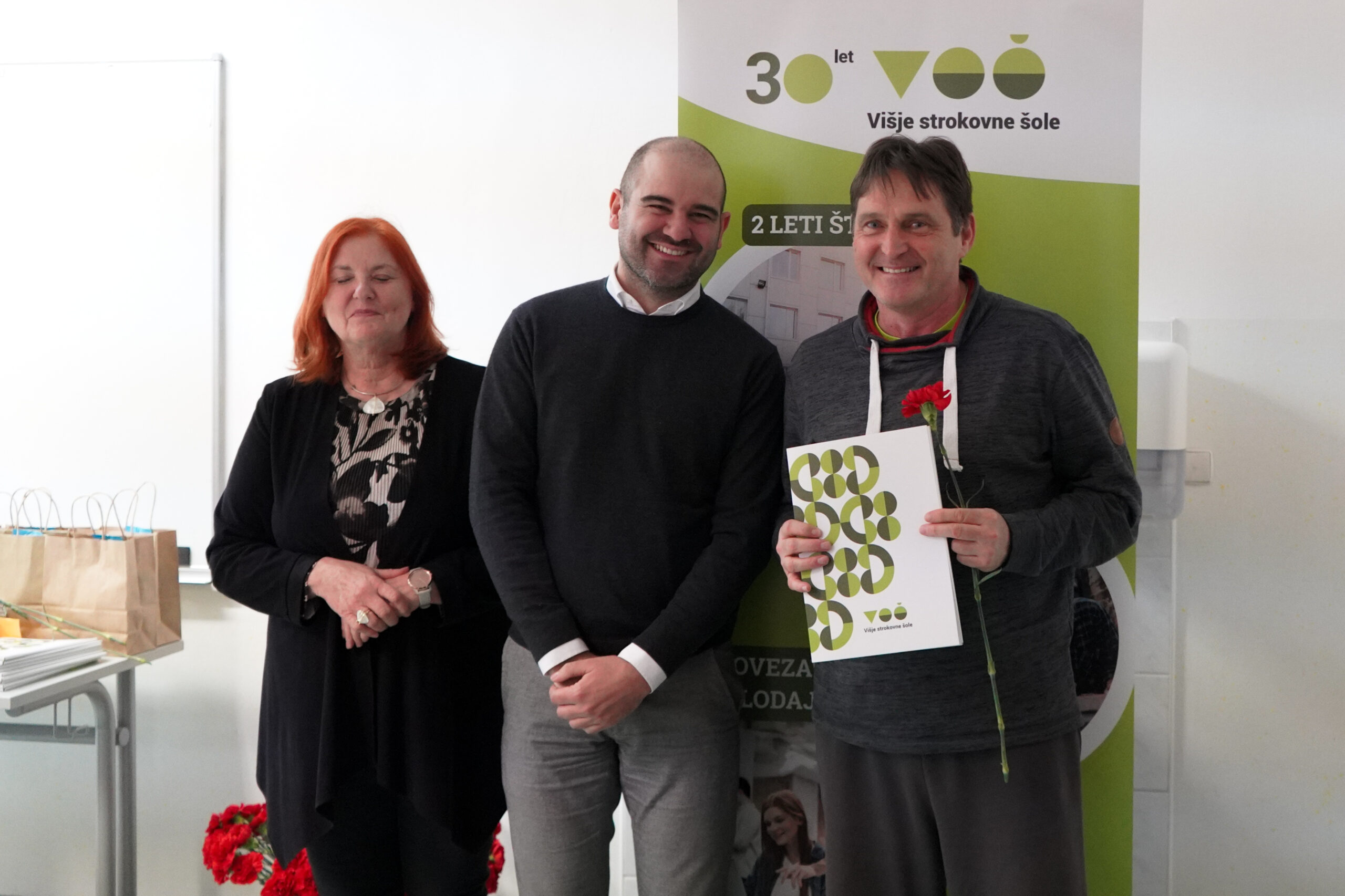
15th Conference of Quality Assurance in Higher Vocational Education 2026
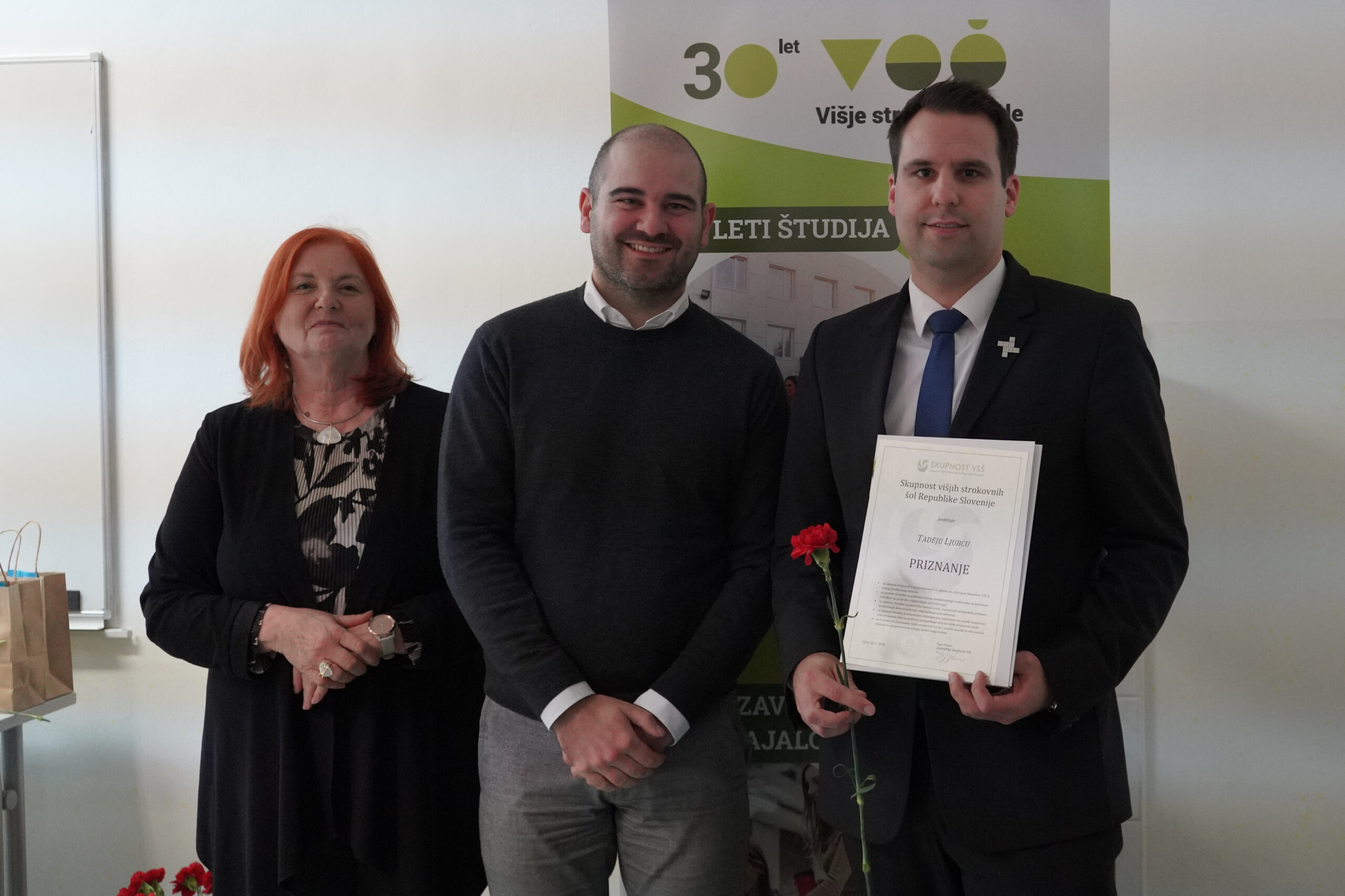
15th Conference of Quality Assurance in Higher Vocational Education 2026
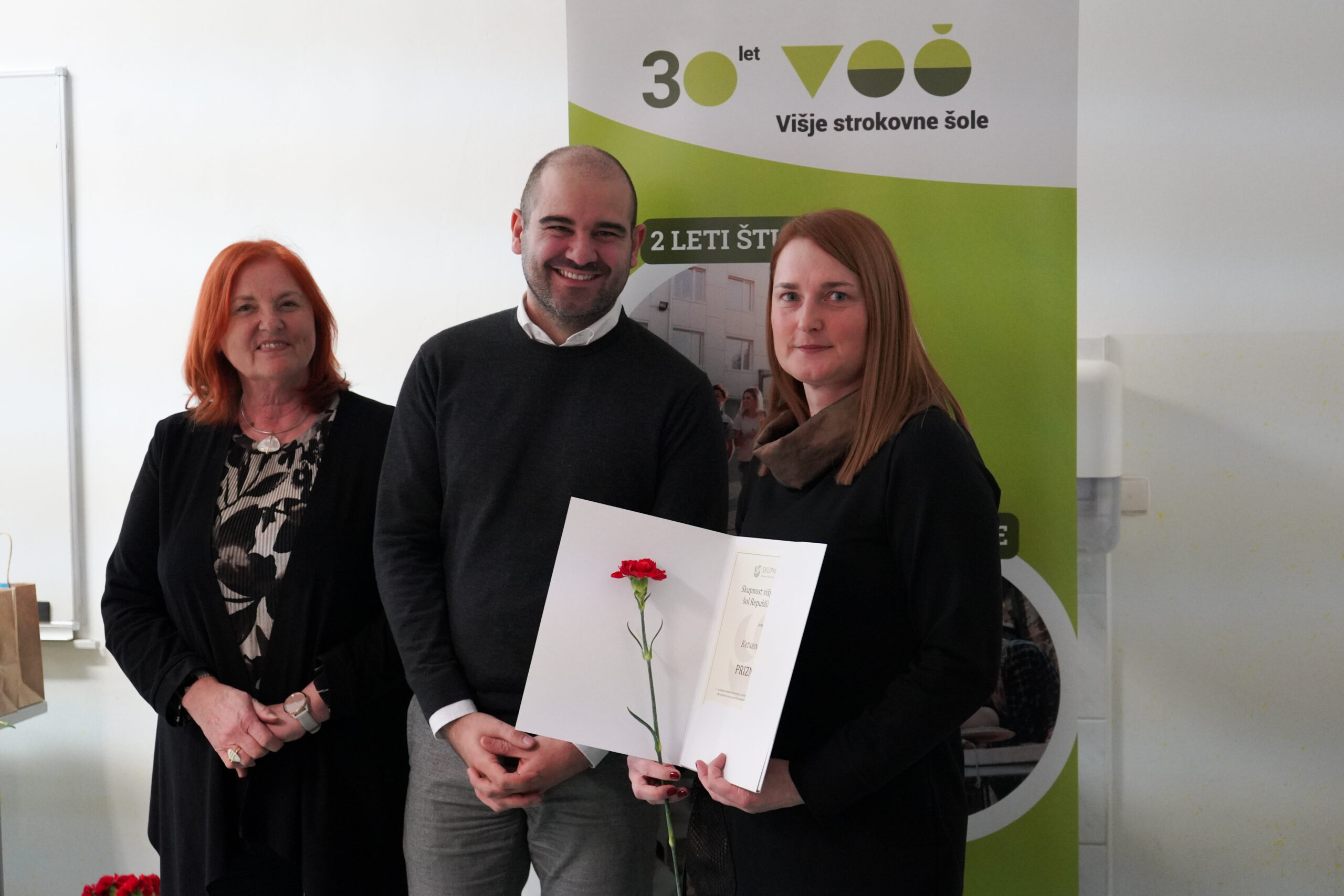
15th Conference of Quality Assurance in Higher Vocational Education 2026
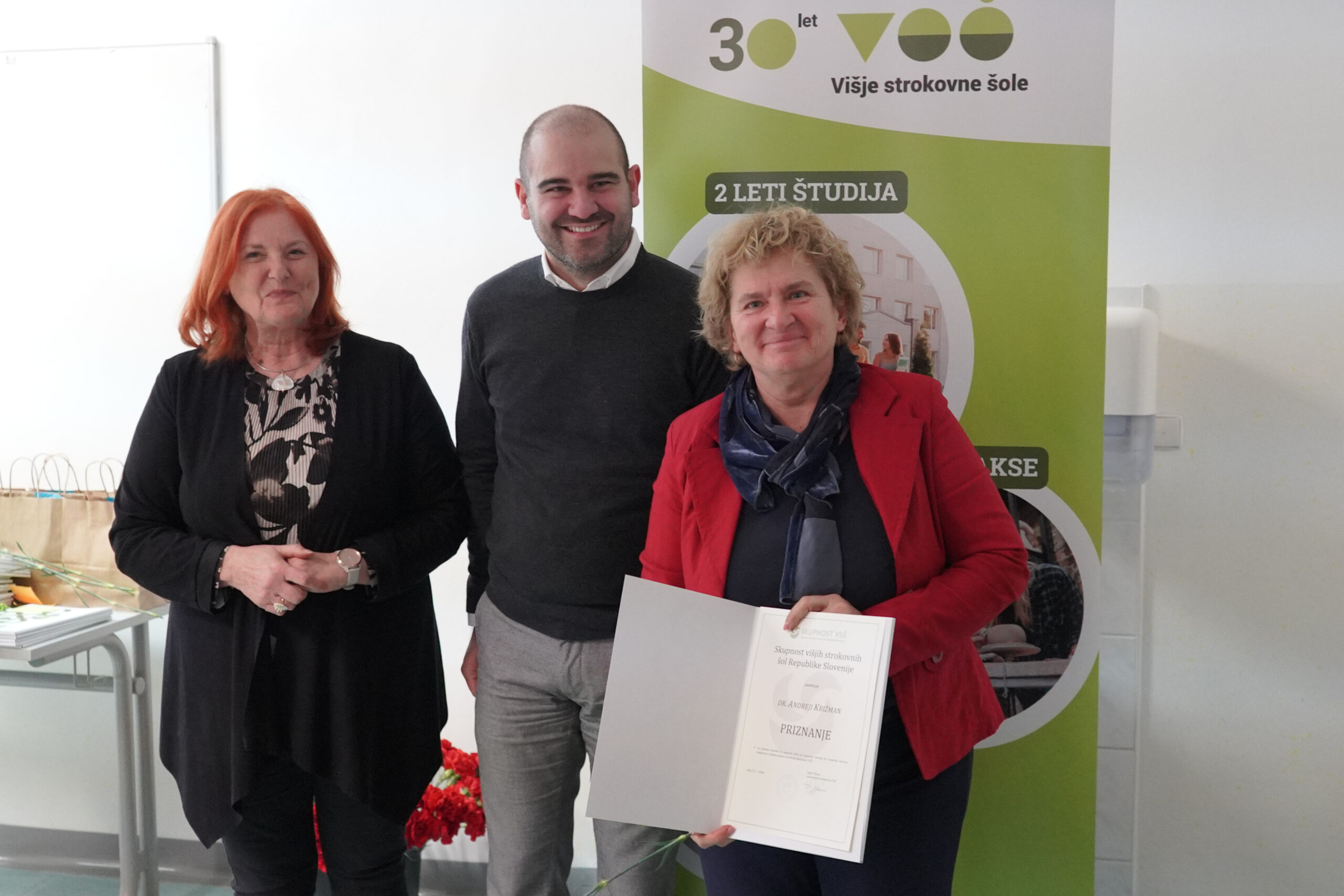
15th Conference of Quality Assurance in Higher Vocational Education 2026
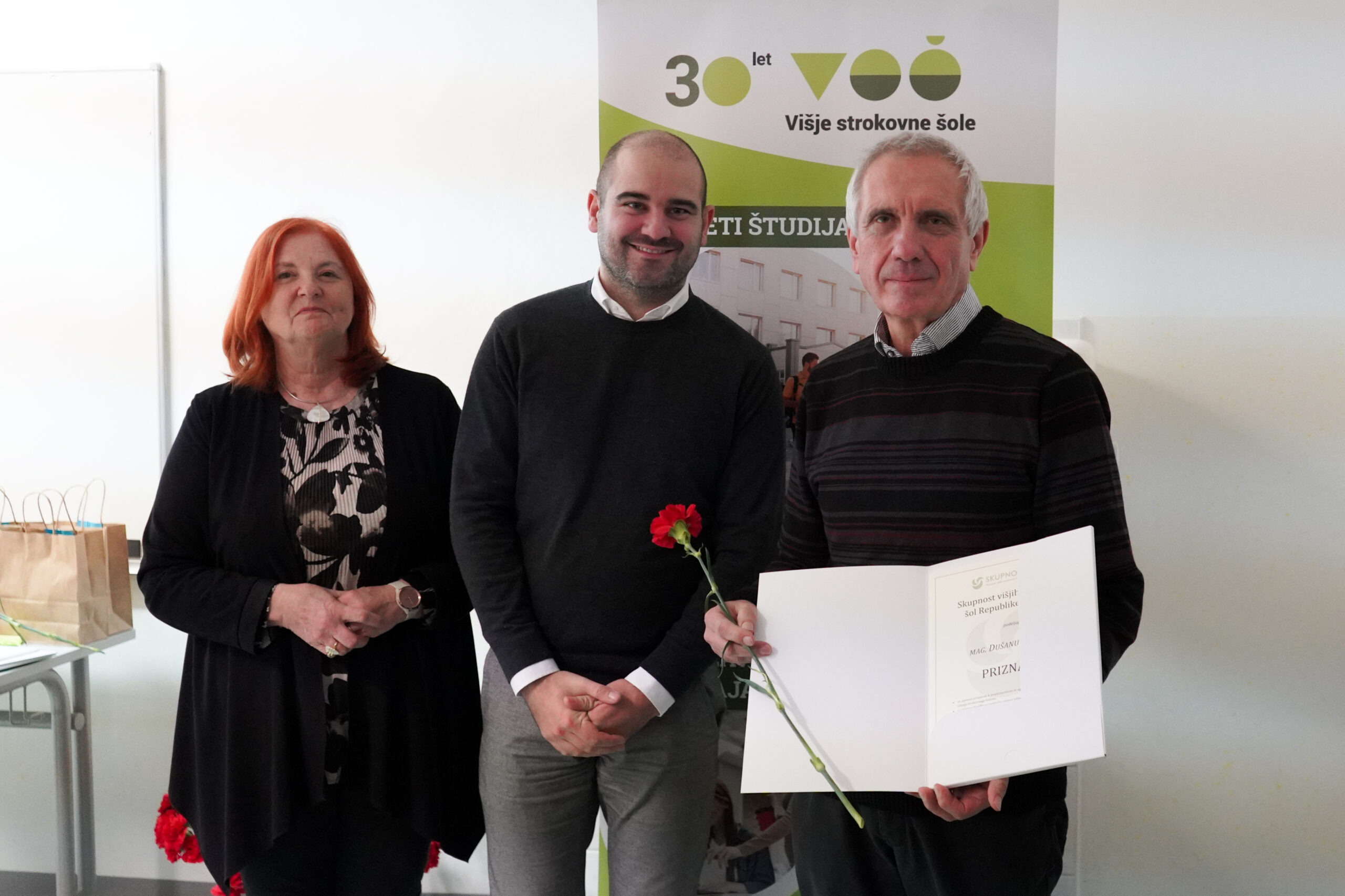
15th Conference of Quality Assurance in Higher Vocational Education 2026
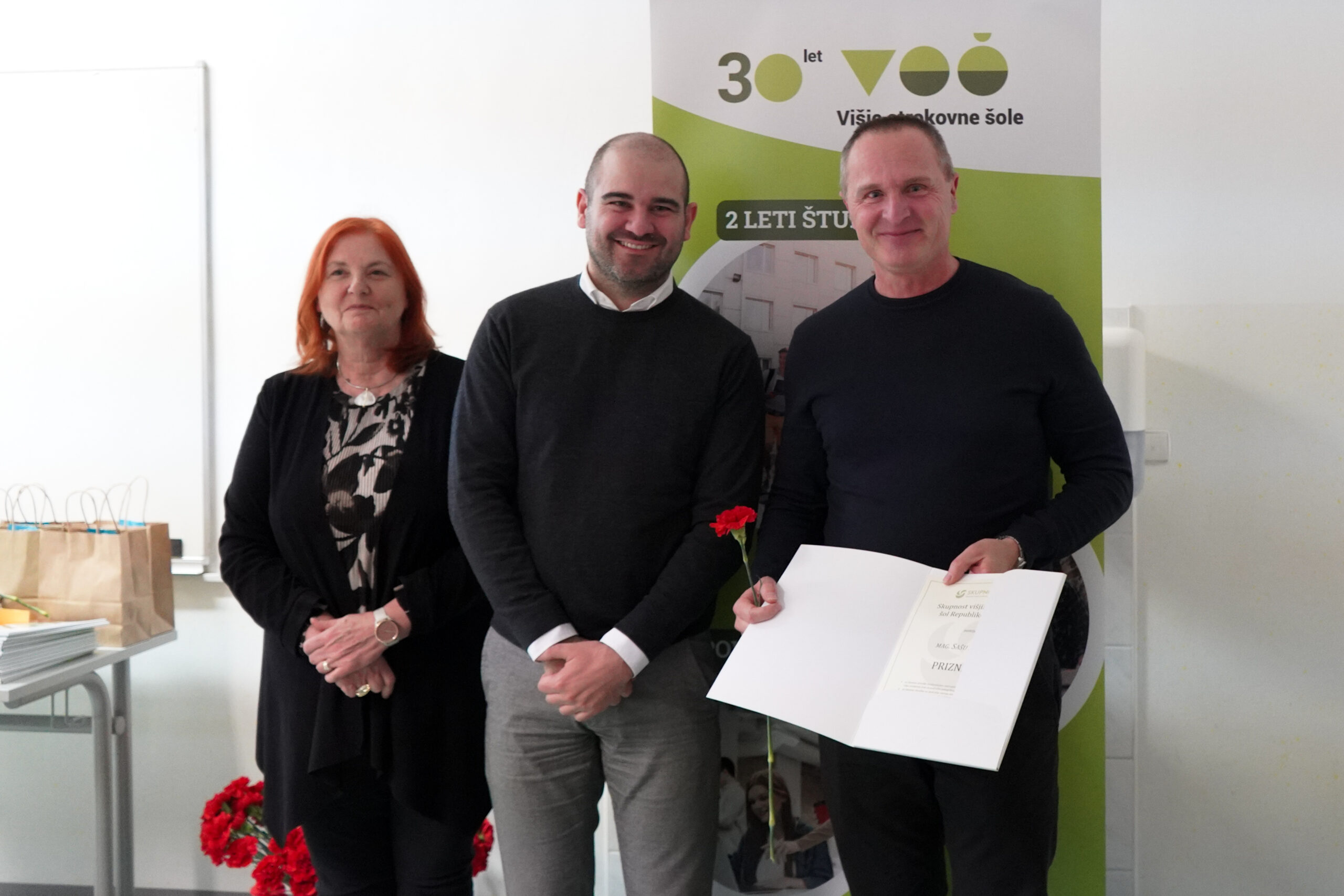
15th Conference of Quality Assurance in Higher Vocational Education 2026
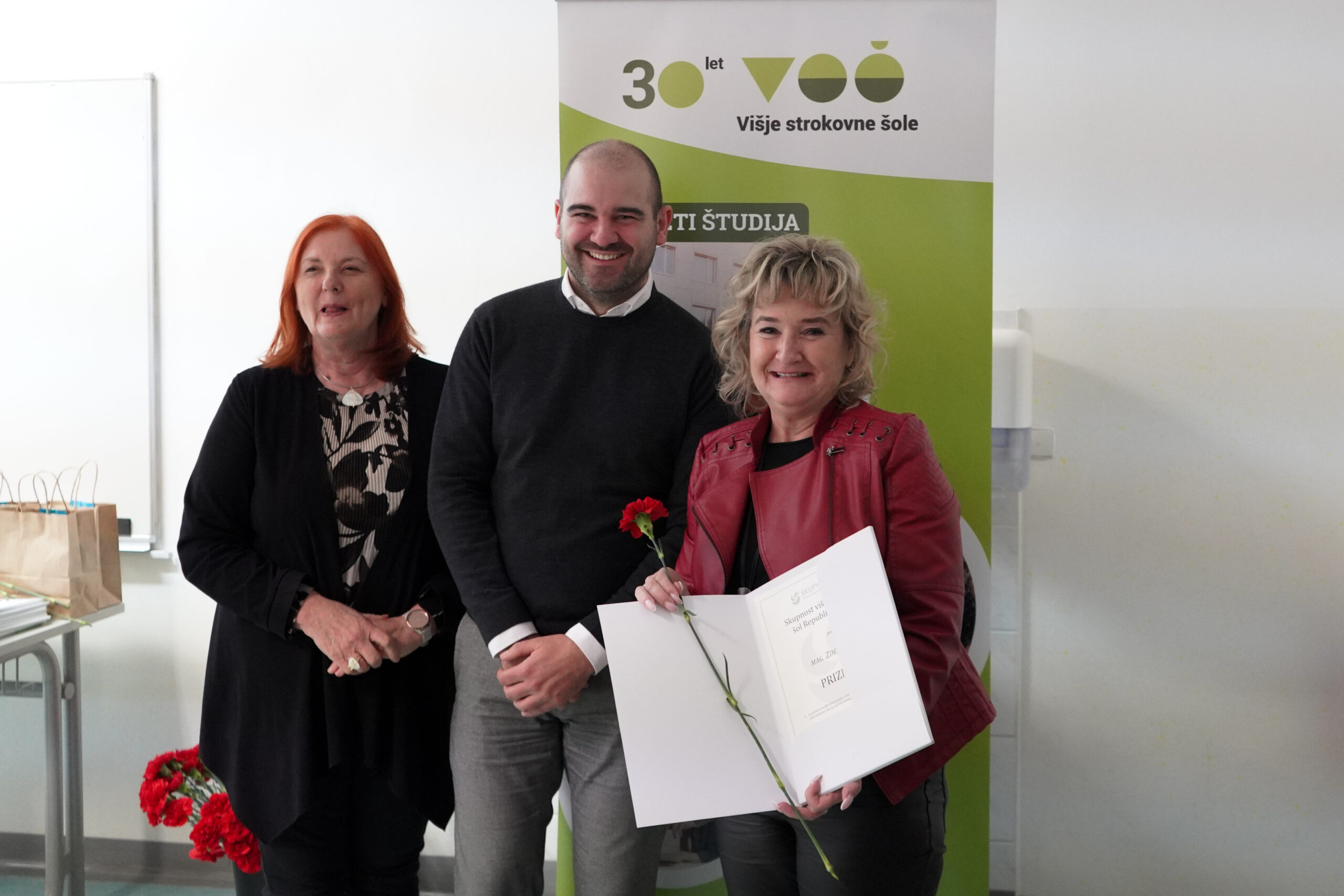
15th Conference of Quality Assurance in Higher Vocational Education 2026
15th Conference of Quality Assurance in Higher Vocational Education 2026
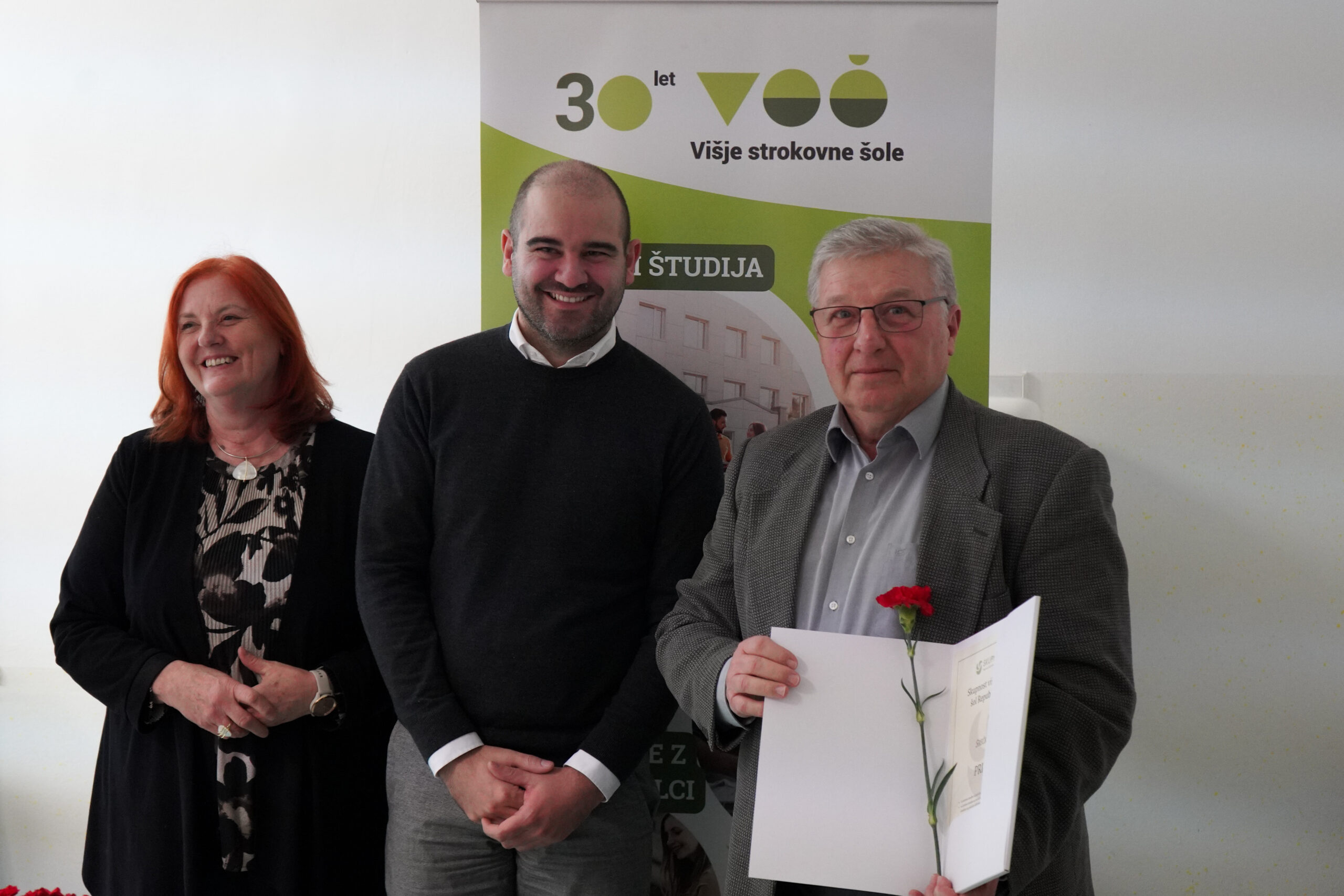
15th Conference of Quality Assurance in Higher Vocational Education 2026
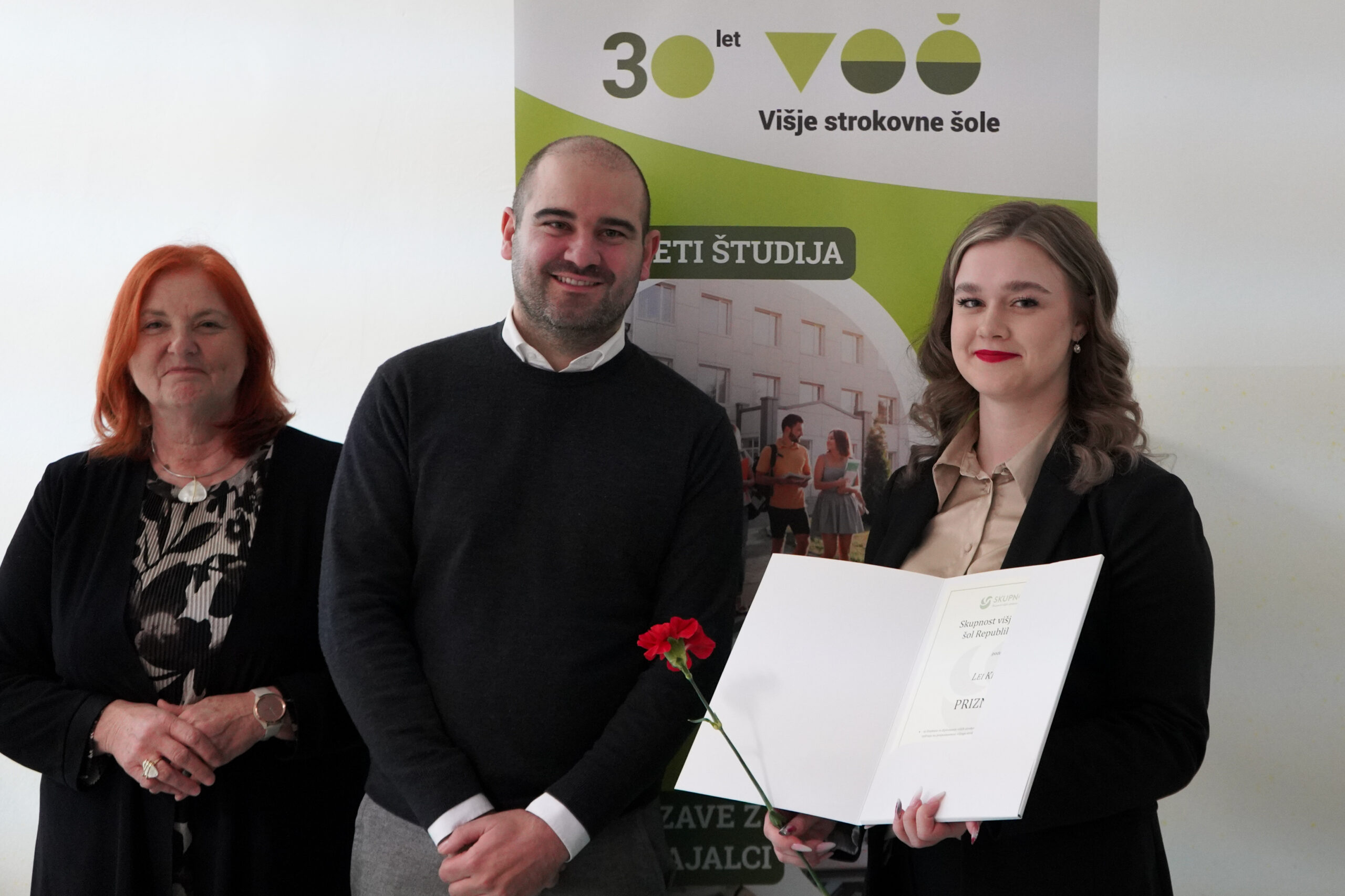
15th Conference of Quality Assurance in Higher Vocational Education 2026
15th Conference of Quality Assurance in Higher Vocational Education 2026
15th Conference of Quality Assurance in Higher Vocational Education 2026
ASSOCIATION OF HIGHER VOCATIONAL COLLEGES AWARDS
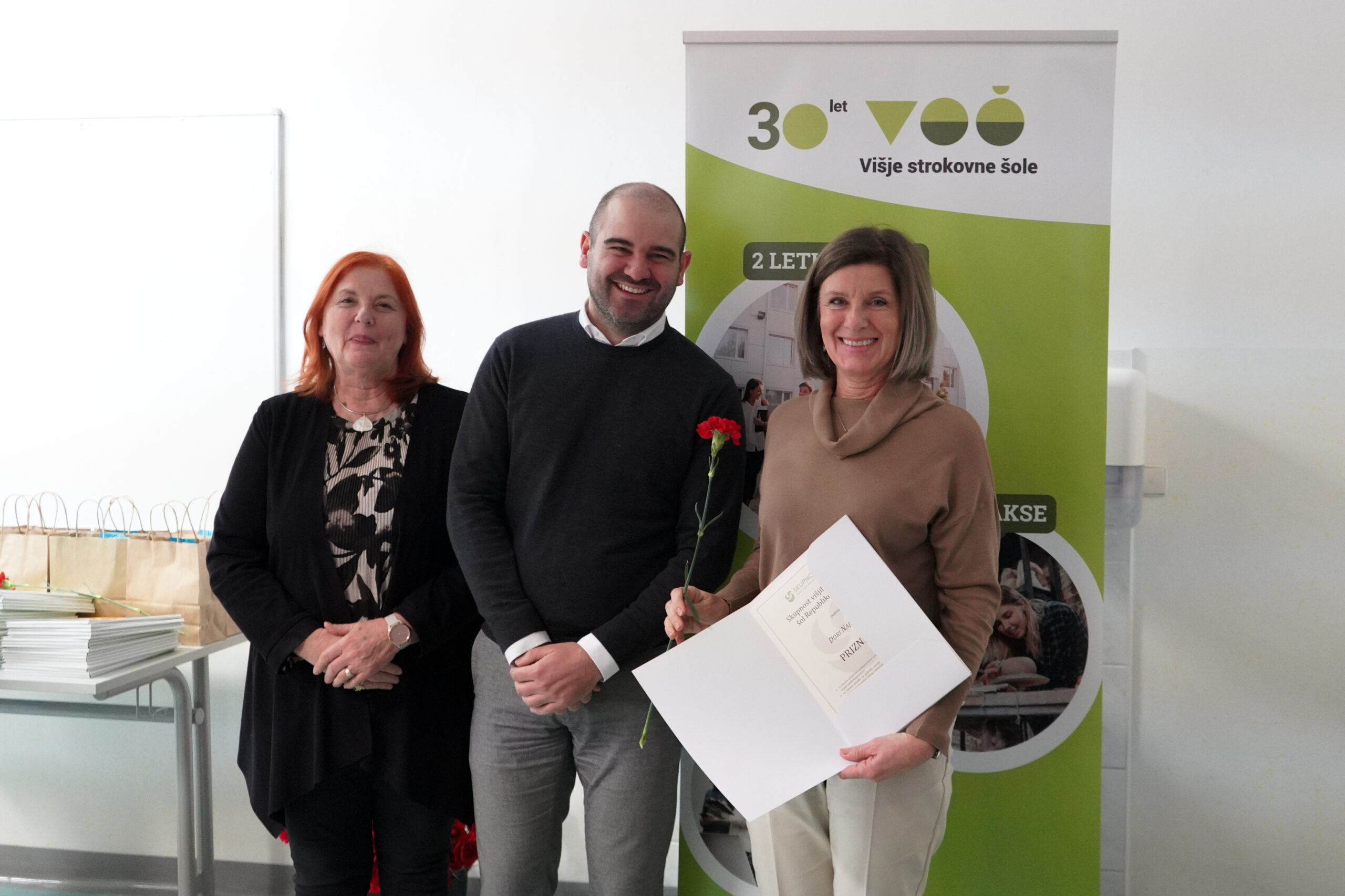
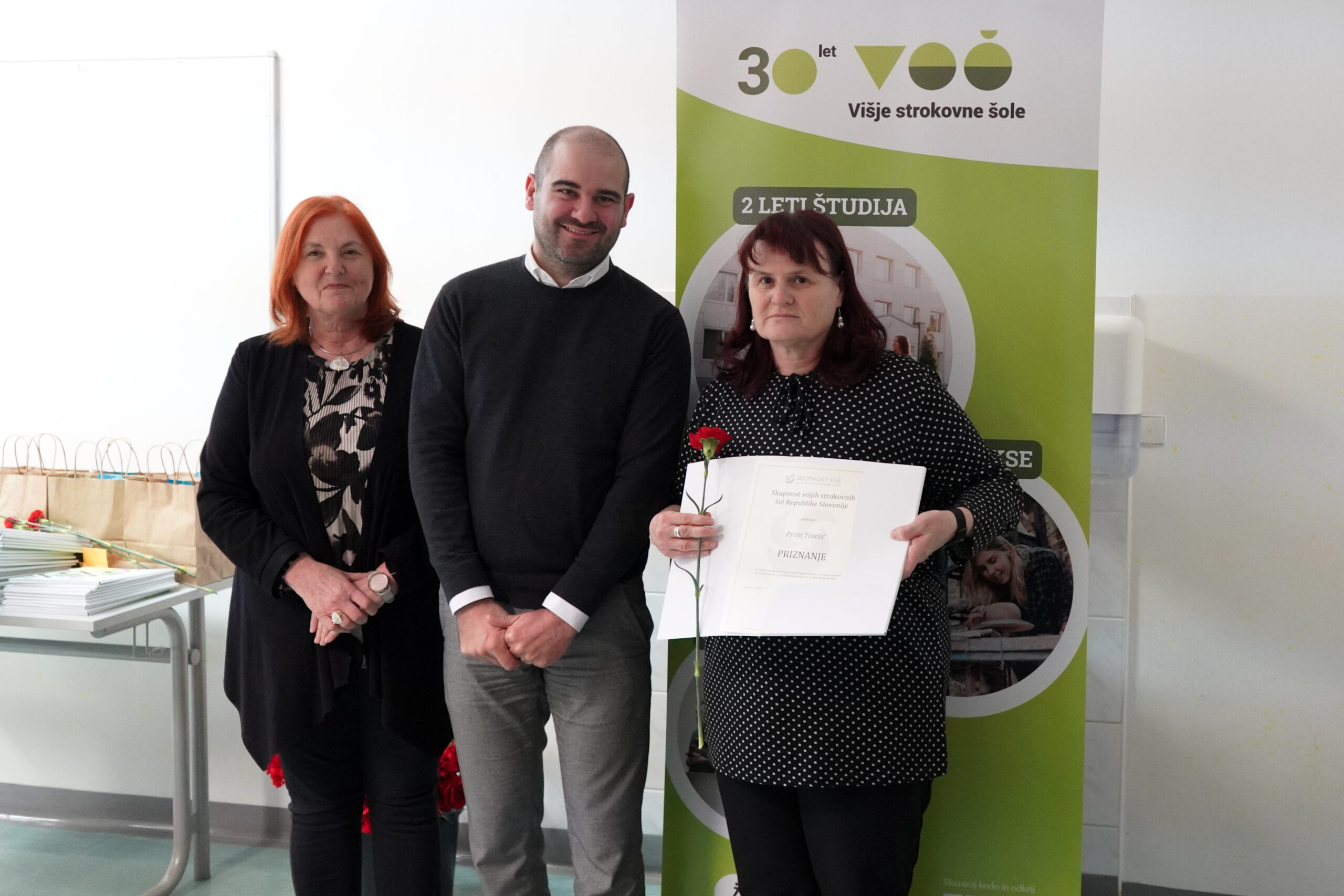
In accordance with the Rules on Awards of the Association of Higher Vocational Colleges, the Association confers awards on individuals who have made a significant contribution to the development, recognition, and reputation of higher vocational education in Slovenia. The Association presents two types of awards: Certificates of Recognition and the Gold Honorary Award. A Certificate of Recognition is awarded for many years of distinguished service or for outstanding achievements in the field of higher vocational education and within the Association of Higher Vocational Colleges.
The Gold Honorary Award is the Association’s highest individual distinction. It is presented in recognition of lifetime achievement or exceptional accomplishments that have made a significant contribution to the development, reputation, and advancement of higher vocational education and the Association of Higher Vocational Colleges.
Nominations may be submitted by members of the Association of Higher Vocational Colleges or by its governing bodies. A call for nominations is published once a year.
BEST FINAL THESIS AT HIGHER VOCATIONAL COLLEGES
Final theses make an important contribution to the development of professional knowledge, the integration of theory and practice, and the creation of innovative solutions to challenges in the workplace. They are the result of students’ dedication, creativity, and professional expertise, as well as their collaboration with mentors and organisations from both the business and public sectors.
To promote excellence, innovation, and the practical value of final theses, the Association of Higher Vocational Colleges annually presents the Best Final Thesis Award for higher vocational colleges in the Republic of Slovenia. The award recognises students for their achievements while also highlighting the quality and significance of higher vocational education in Slovenia.
Each higher vocational college may nominate one final thesis, regardless of its format or category (written thesis, product, service, or project). All submitted entries are evaluated by an assessment committee using a two-stage evaluation process. The authors of the top three entries receive awards, while all other nominated candidates receive a certificate of recognition.
15th Conference of Quality Assurance in Higher Vocational Education 2026

15th Conference of Quality Assurance in Higher Vocational Education 2026
15th Conference of Quality Assurance in Higher Vocational Education 2026

15th Conference of Quality Assurance in Higher Vocational Education 2026
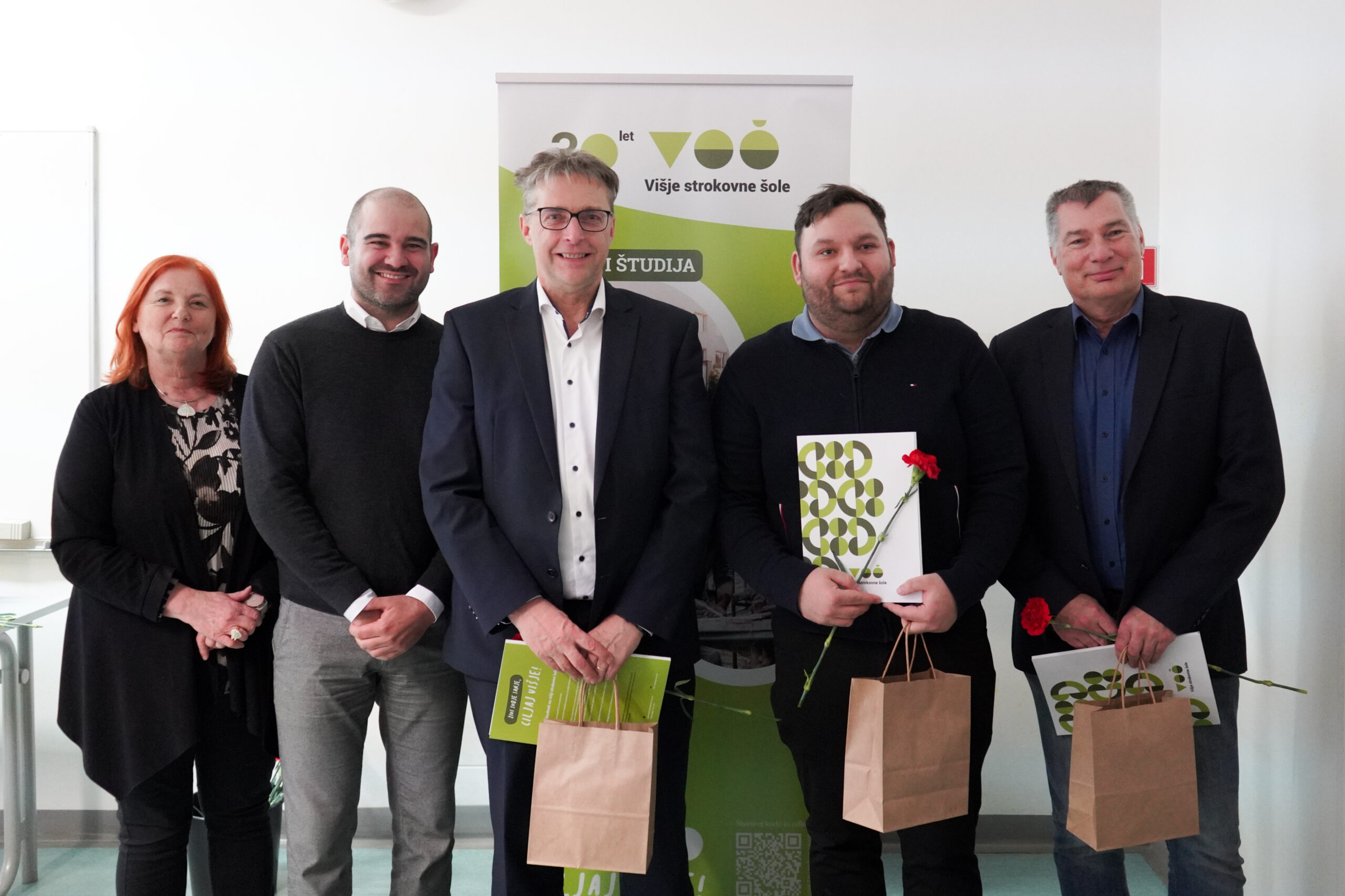
15th Conference of Quality Assurance in Higher Vocational Education 2026
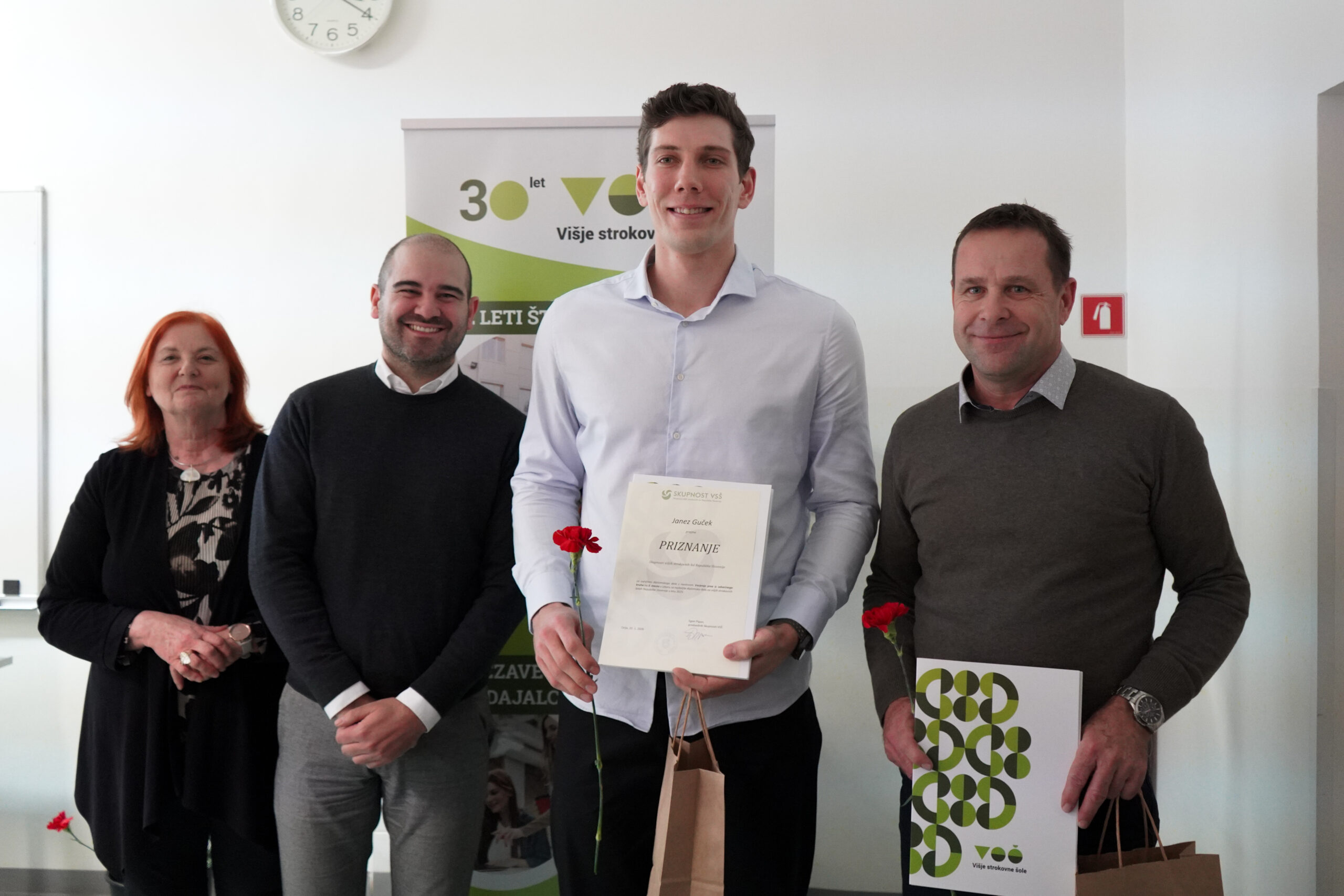
15th Conference of Quality Assurance in Higher Vocational Education 2026
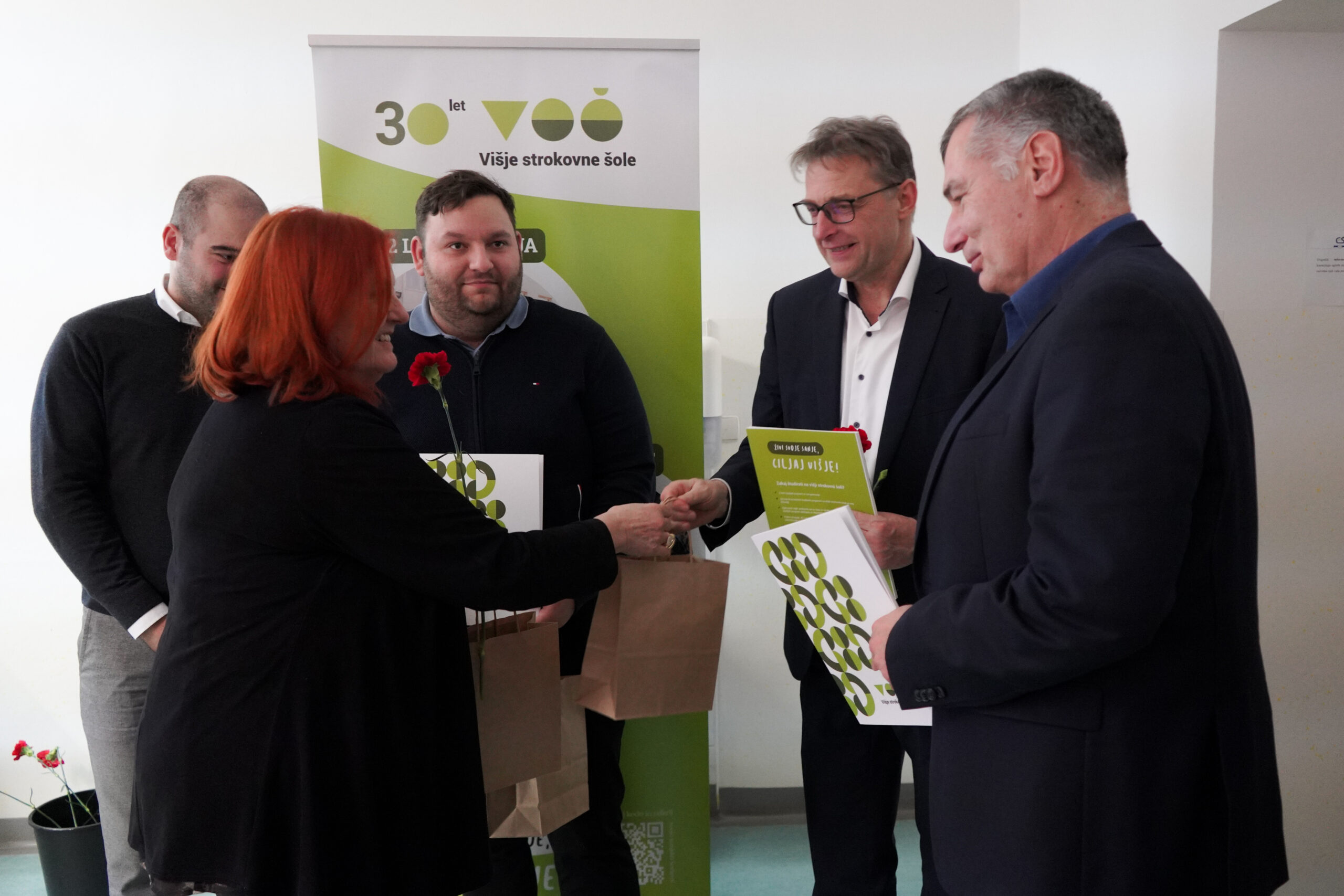
15th Conference of Quality Assurance in Higher Vocational Education 2026
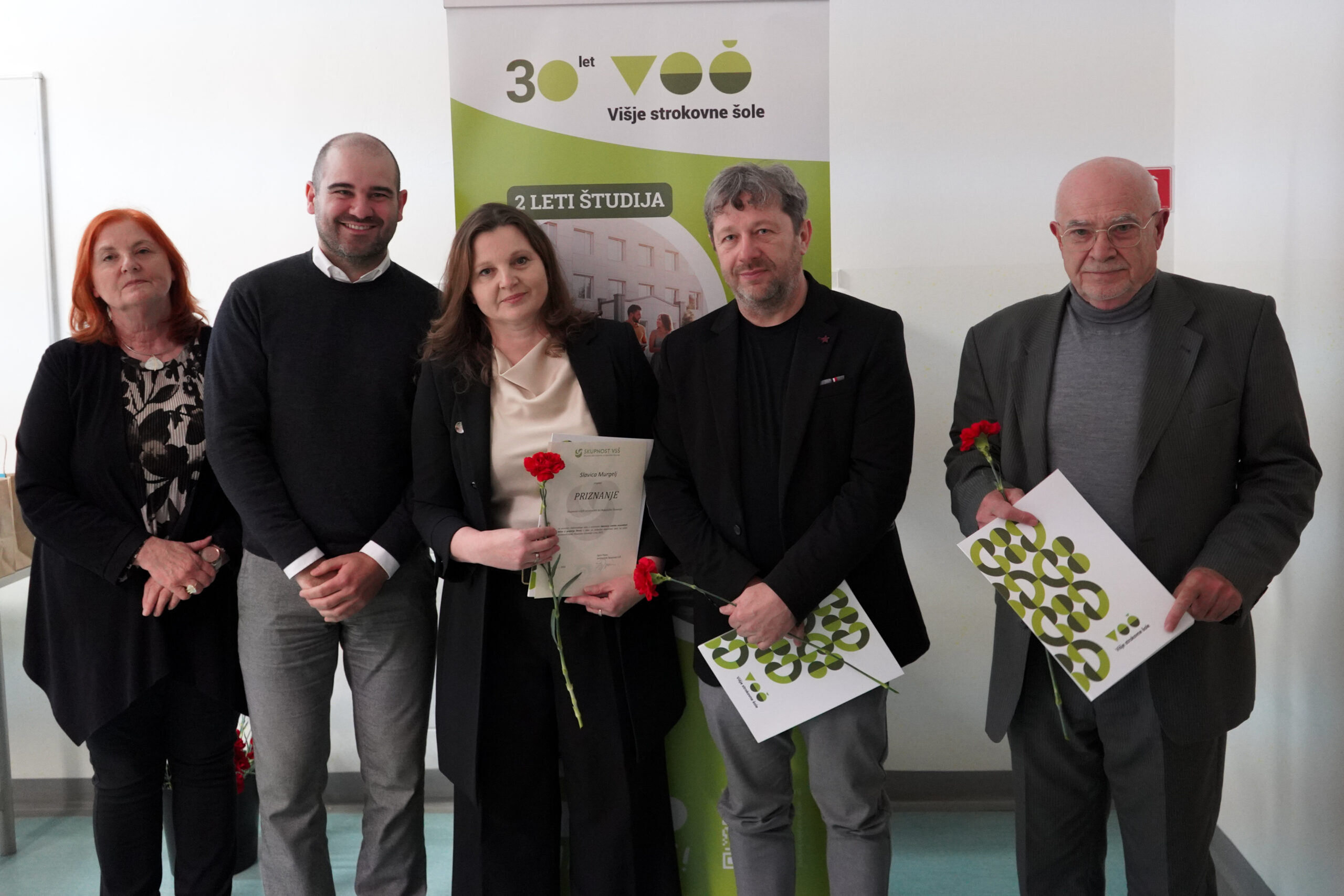
15th Conference of Quality Assurance in Higher Vocational Education 2026
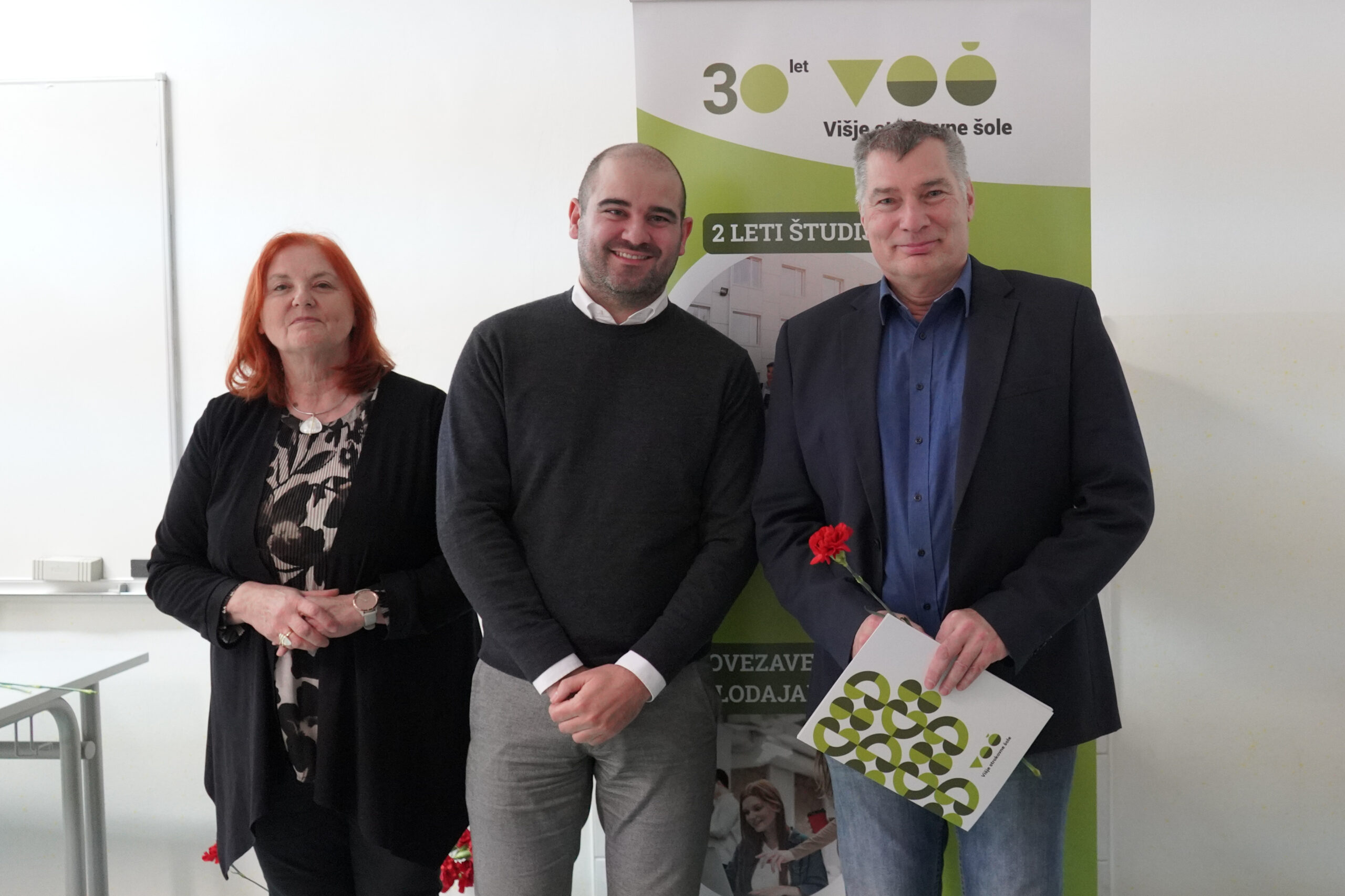
15th Conference of Quality Assurance in Higher Vocational Education 2026
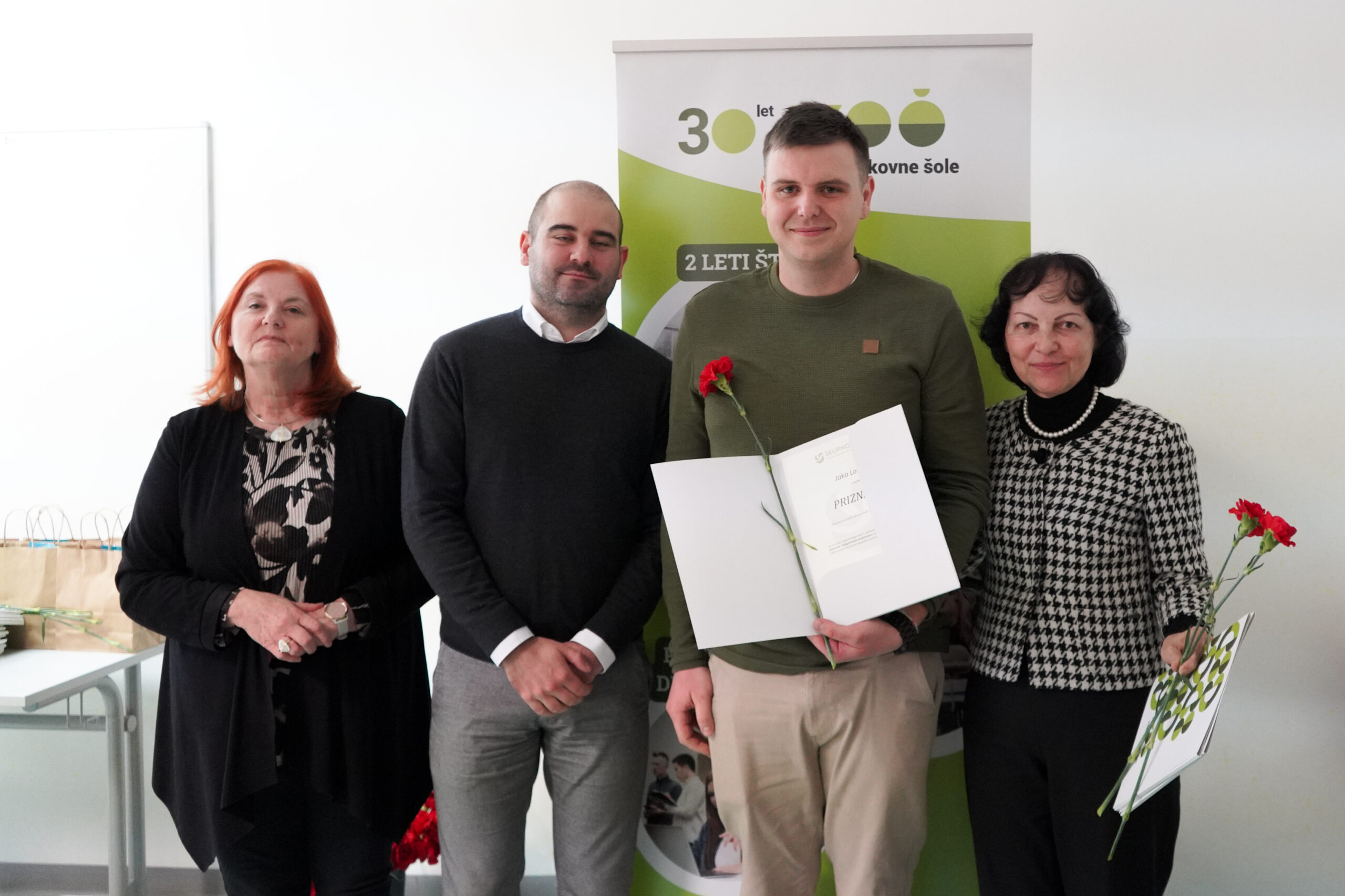
15th Conference of Quality Assurance in Higher Vocational Education 2026
BEST MENTOR IN A HOST ORGANISATION
A mentor plays a vital role in supporting students throughout their education and professional development. An outstanding mentor combines professional expertise with a commitment to motivating, inspiring, and guiding students in their learning and practical training. Each year, the Association of Higher Vocational Colleges presents the Best Mentor in a Host Organisation Award. The purpose of the award is to recognise mentors outside the college environment whose expertise, dedication, and commitment make a significant contribution to the quality of higher vocational education and help create an inspiring learning environment. Each higher vocational college may nominate one candidate whom it considers to be the most outstanding mentor based on their mentoring skills, innovative approaches to working with students, ability to foster students’ professional development, and tangible contribution to student success.